How do we work from the backcountry? The short answer is a Starlink Mini, a few batteries, and as much sun as we can catch. Here’s the whole setup, piece by piece, and how it fits together.
Stacie and I both run businesses from a laptop, so the setup has one job: keep the office online past the last cell tower, and keep the laptops, phones, and cameras charged for days out. Everything below is gear we own and use on our trips. The specs and links for each piece are in our gear list.
The Connection: Starlink Mini
The Starlink Mini is satellite internet from a dish about the size of a laptop, with the WiFi router built right in. It weighs 1.1 kg, draws 25 to 40 W on average, and is rated IP67 and for −30°C to 50°C.
The part that makes it work for us is power. It runs on 12 to 48 volts, so it plugs straight into a battery pack at camp. This is what keeps the office online past the last cell tower.
The Battery That Makes It Portable: PeakDo LinkPower 1
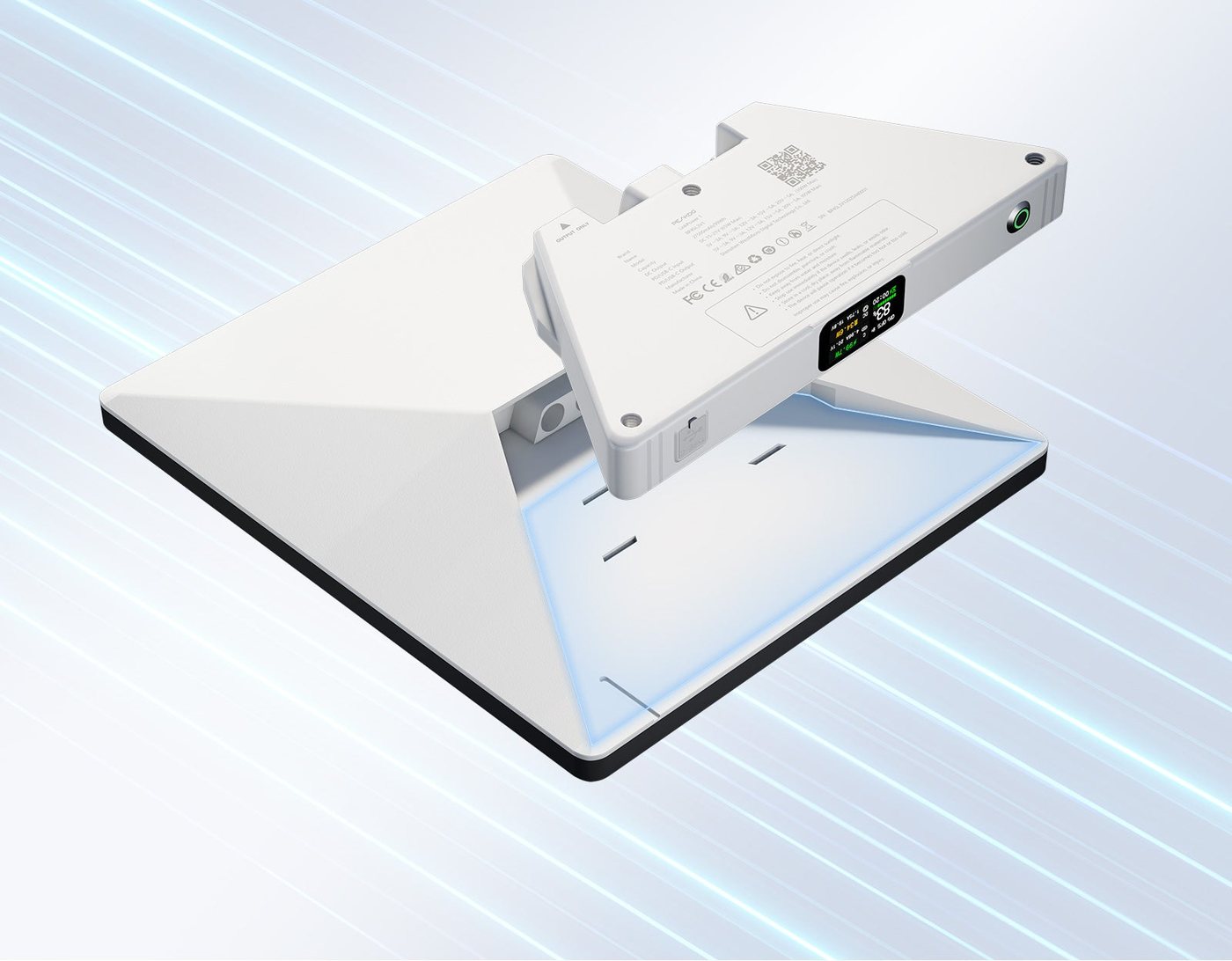
The PeakDo LinkPower 1 is a 99 Wh battery shaped to click onto the back of the Starlink Mini. With it attached, the Mini goes into a backpack with no cables to sort out, and it just works.
We easily get 4 hours from a charge and have seen it pass 6. It also charges over USB-C while it powers the dish, so with our folding solar panels out on a sunny day, the Starlink keeps running.
Power You Can Wear: BLUETTI Handsfree Packs
The BLUETTI Handsfree packs are hiking backpacks with power stations built into them. The battery rides in its own sleeve with the ports at a side opening, so a camera or phone can charge while we walk.
- Handsfree 1268.8 Wh, 300 W, 42 L. The lighter day pack. It carries the cameras.
- Handsfree 2512 Wh, 700 W, 60 L. It carries the kit on longer shoots and runs the Starlink Mini at camp.
- 60W solar panelFoldable and IP65 splash-resistant. It hangs off the pack or opens out at camp to top things back up.
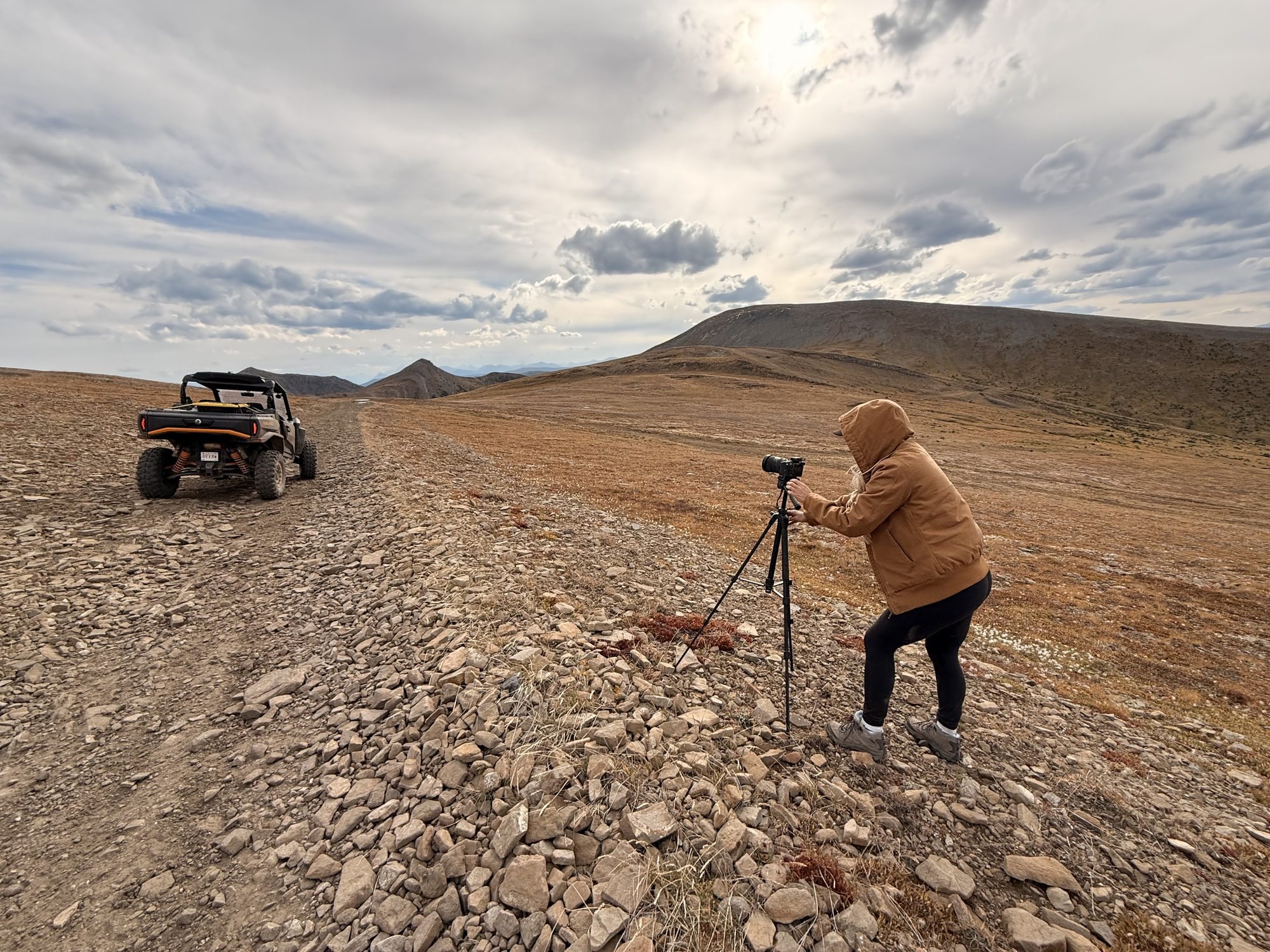
I gave a quick overview of the setup on the summit of Mount Spieker in Tumbler Ridge:
Solar is such a big part of how we live that it became the story of our entry in BLUETTI Canada’s Banff Mountain Film Festival contest.
Catching Sun at Camp: EcoFlow 110W Panels
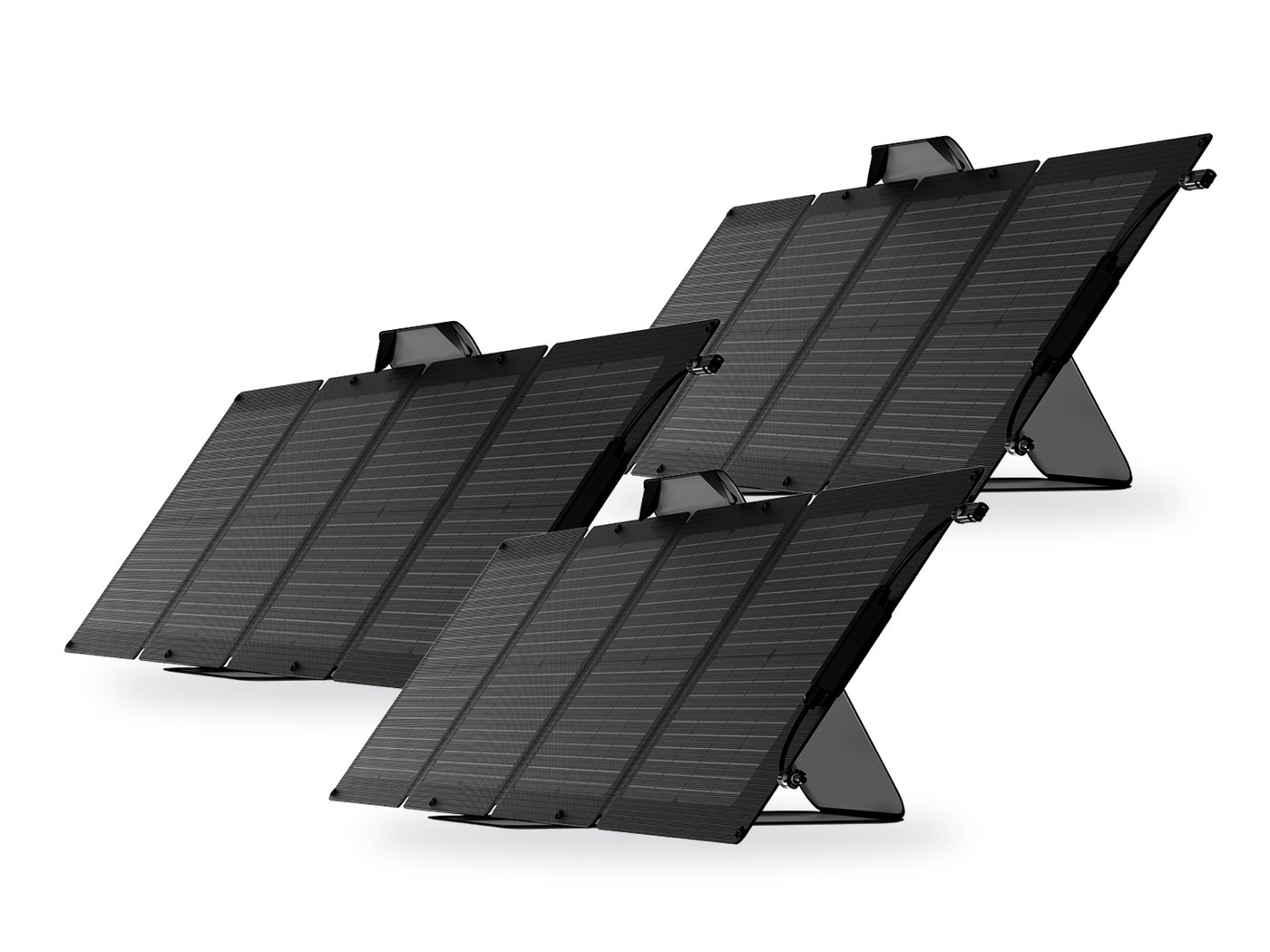
We carry a set of three folding EcoFlow 110W panels, 330 W together. They come out as soon as we reach camp, so we’re always capturing sun. We have bigger panels, but these are the small, portable ones, and they work wonderfully. Each folds into its own case, and the case doubles as a stand to angle the panel at the sun.
How It All Fits Together
Here’s how the pieces work together on a trip:
- Sun in. The EcoFlow panels go out as soon as we reach camp, and the BLUETTI 60W panel rides on a pack or opens out beside the tent.
- Into the batteries. The panels top up the Handsfree packs and the PeakDo, which all charge while they work.
- Out to the office. The Handsfree 2 runs the Starlink Mini at camp. On the move, the PeakDo clips onto the dish and the whole thing rides in a backpack.
- Cameras and phones. The Handsfree 1 carries the cameras and charges them while we walk.
The Cameras That Ride Along
We both film every trip, so the cameras ride along on the same packs. We run a Sony Alpha 7C for full-frame video, an Insta360 X5 for 360° footage (that’s how we shot the 360 videos on the Windfall Lake guide), and our original DJI Mavic Mini for the drone shots.
See It in the Field
- Mount Spieker, Tumbler Ridge. Where I filmed the Handsfree overview, up on the summit plateau.
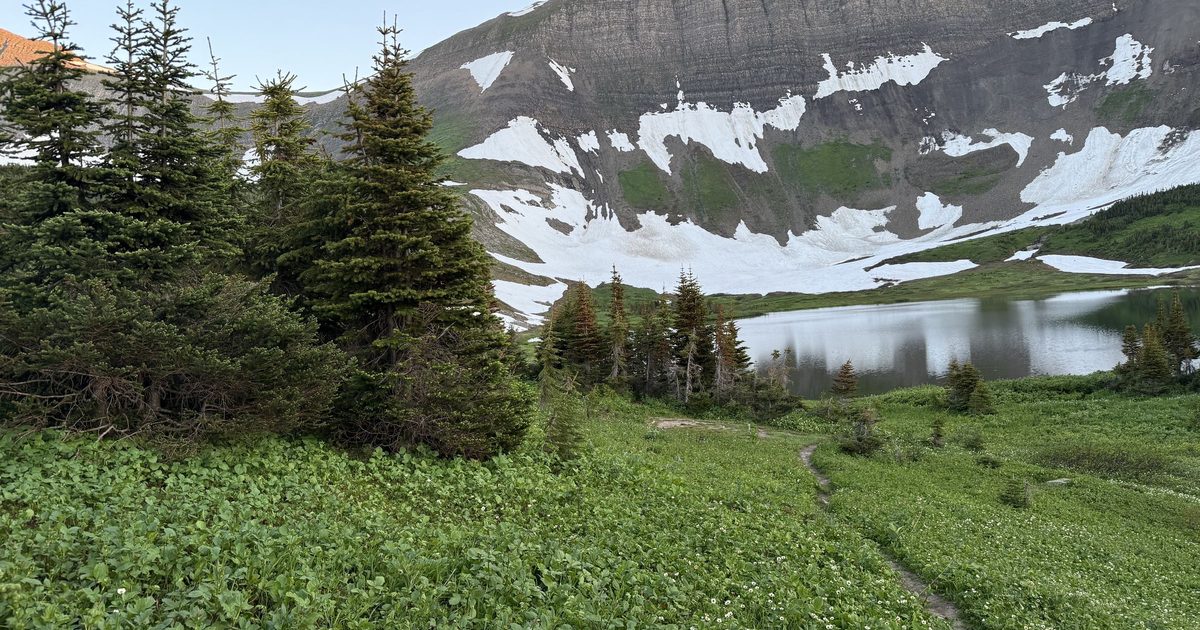
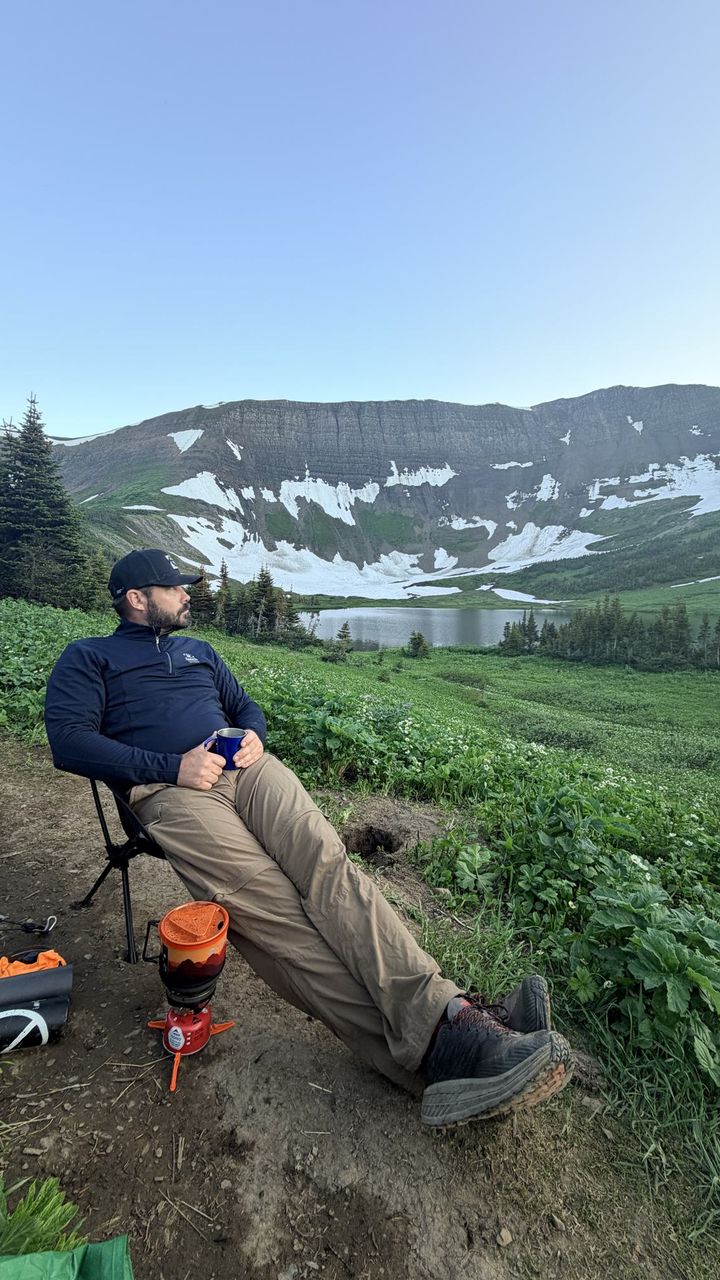
- Windfall Lake, Tumbler Ridge. An overnight hike in to an alpine lake, and the camp chair in the photo at the top of this post.
- Caw Ridge, Grande Cache. Camp lit up for the night with our USB-C string lights.
If you’re putting together your own off-grid setup, our Gear & Tech page has every piece with its specs and a link to where to find it. And if you have a question about any of it, send me a note. I’m always happy to talk gear.
Ryan

Ryan Blais
Ryan runs Nine10, a Grande Prairie web and digital marketing agency, and handles the rigs, the power, and the connectivity on our trips.
Meet Ryan →